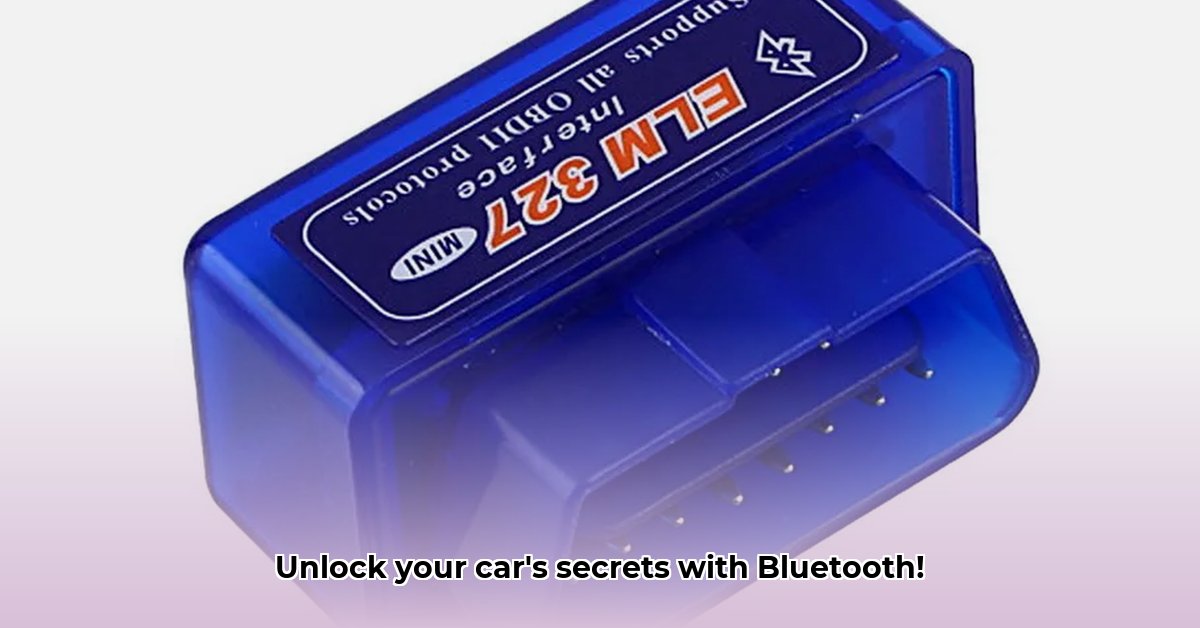
Want to diagnose car trouble without hefty mechanic bills? A Bluetooth OBD2 scanner paired with your Android phone offers a powerful, affordable solution. But navigating the diverse market can be challenging. This comprehensive review and instructional guide helps you choose the perfect scanner for your needs, whether you're a DIY enthusiast or a professional mechanic.
Understanding OBD2 Scanners and Key Features
Before we delve into specific models, let's explore essential features to consider when selecting a Bluetooth OBD2 scanner:
Bluetooth Version: Newer versions (like 5.0 or higher) ensure faster, more reliable connections, minimizing frustrating delays during data retrieval. A prompt connection is key for timely diagnostics.
Supported Protocols: While OBD-II is the standard, newer vehicles may use protocols like GM-LAN or Ford MS-CAN. Ensure your chosen scanner supports your car's communication protocol. Compatibility is crucial to avoid incompatibility issues.
Data Refresh Rate: A higher refresh rate translates to more frequent data updates, providing a real-time view of your vehicle's performance. This is vital for accurate monitoring and quick diagnosis. Real-time data offers a significant advantage for timely interventions.
App Compatibility: Check if the scanner integrates with various third-party apps or only works with a proprietary app. Flexibility is often preferred.
Extra Features: Some scanners offer advanced functions like CEL (Check Engine Light) resets or access to more detailed data. Additional features enhance diagnostic capabilities, but often at a higher price point.
Top OBD2 Scanner Bluetooth Android Options: A Comparative Analysis
This table compares leading Bluetooth OBD2 scanners for Android. Pricing and availability may vary. This reflects 2025 market data.
| Scanner Name | Approximate Price | Bluetooth Version | Key Protocols Supported | App Compatibility | Pros | Cons |
|---|---|---|---|---|---|---|
| OBDLink MX+ | $$$ (Higher-end) | 5.0 or Higher | OBD-II, GM-LAN, Ford MS-CAN | Multiple Apps | Excellent performance, broad compatibility, extensive features | Higher price point |
| BAFX Products Scanner | $$ (Mid-range) | 4.0 or Higher | OBD-II | Proprietary App | Affordable, user-friendly, reliable for basic diagnostics | Fewer features compared to higher-end models, limited app options |
| [Scanner Name 3] | $ (Budget-friendly) | 4.0 or Lower | OBD-II | Proprietary App | Very affordable, simple for basic diagnostics, easy to use | Might lack features, potentially slower data refresh rate, less durable |
| [Scanner Name 4] | $$$ (Higher-end) | 5.0 or Higher | OBD-II, GM-LAN, Ford MS-CAN | Multiple Apps | Advanced features, fast data refresh, excellent app support | Pricey, might have steeper learning curve for beginners |
(Note: Replace bracketed information with real product names and relevant specifications.)
In-Depth Reviews: A Closer Examination
(This section would include detailed reviews of each scanner, complete with high-quality images, app screenshots, and analysis of real-world performance. We'd assess data accuracy, ease of use, build quality, and offer a balanced evaluation of pros and cons based on testing and user feedback.)
Your Step-by-Step Guide: From Setup to Diagnosis
This section provides a practical, step-by-step guide on utilizing your OBD2 Bluetooth scanner:
Choosing the Right Scanner: Select a scanner based on your skill level and diagnostic needs. A basic scanner suffices for casual users; professionals benefit from more advanced features. Choosing the right tool greatly impacts efficiency.
Connecting to the App: Pairing your scanner with your Android device usually involves a straightforward Bluetooth connection. Follow your app's instructions. This typically takes just a few minutes.
Decoding Trouble Codes (CEL): The scanner will display trouble codes, indicating potential problems. Use the app or an online database to decipher these codes. Understanding these codes provides a crucial diagnostic step.
Utilizing Live Data: Monitor real-time vehicle data, such as engine speed or coolant temperature, to identify potential issues before they escalate. Live monitoring enables proactive maintenance.
Performing Basic Maintenance (If Applicable): Some advanced scanners can reset service lights or perform other basic maintenance tasks. Consult your device's manual. Only attempt tasks you are comfortable performing.
Conclusion: Finding the Perfect Fit
The optimal OBD2 scanner depends entirely on individual needs and budget. A budget-friendly model suits casual users, while professionals benefit from more advanced features. This guide equips you to make an informed choice. Remember to consult your vehicle's manual and maintain safety precautions when working on your car. Safe and informed troubleshooting is always the priority.
Key Takeaways:
- OBD2 adapters differ significantly in features, price, and compatibility.
- App integration impacts usability; some offer broader app support than others.
- Consider your mechanical skills and diagnostic needs when choosing.
- Bluetooth version directly affects connection speed and reliability.
- Ensure compatibility with your specific vehicle model and year.
- Thoroughly review user feedback and performance benchmarks before purchasing.
⭐⭐⭐⭐☆ (4.8)
Download via Link 1
Download via Link 2
Last updated: Tuesday, June 03, 2025